Planning
2 min read
Why Experiential Events Demand Better Planning Infrastructure
Two-thirds of corporate events now focus on experiential formats. Here's what that shift really means for planning teams and the tools they rely on.

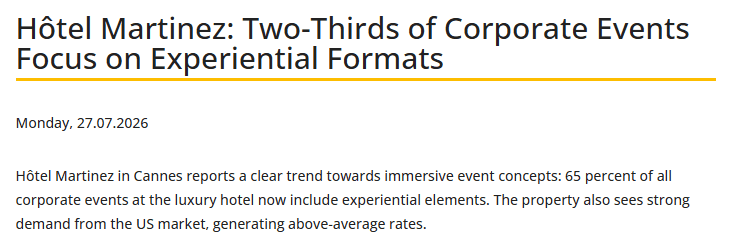
Data released by Hôtel Martinez shows that two-thirds of corporate events are now built around experiential formats rather than traditional conference-style programs. That statistic is striking, but what it means in practice for the people actually planning those events is even more important than the headline number.
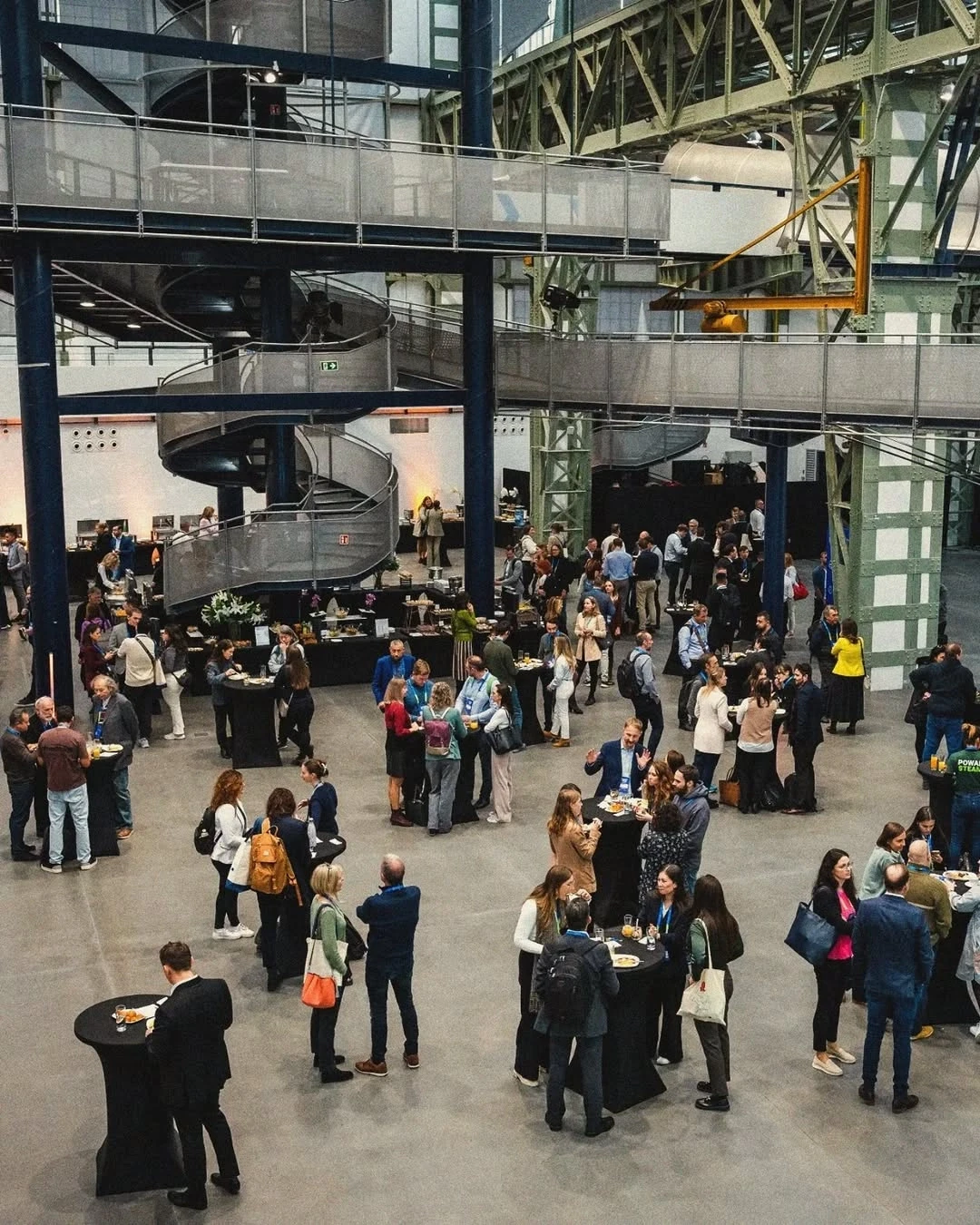
Experiential events are not simply more creative versions of a standard conference. They are structurally more complex. They involve multiple concurrent activations, tighter coordination among suppliers, more touchpoints with attendees before, during, and after the event, and far higher expectations from stakeholders who have signed off on a premium format and expect delivery to match it.
More moving parts, same planning tools
Here is the problem we see repeatedly. The ambition of the event format has advanced, but the planning infrastructure many teams use has not kept pace. Planners are still managing complex experiential programs across a combination of spreadsheets, email chains, shared drives, and point solutions that do not communicate effectively.
When one piece of that setup breaks, or when a supplier changes a detail and the update does not reach everyone who needs it, the knock-on effect in an experiential program is much greater than it would be in a straightforward conference.
There is simply less margin for error when the format depends on precise timing, physical space configuration, and coordinated guest journeys.
What planning teams actually need right now
In our view, the shift toward experiential formats makes a strong case for consolidating event management into a single platform rather than layering additional tools onto an already fragmented stack. Specifically, planning teams running experiential programs need:
A single source of truth for all event logistics, supplier contacts, and attendee data
Clear visibility across every workstream so nothing is siloed in someone's inbox
The ability to manage multiple event formats and scales from one place, whether that is a 30-person executive dinner or a 500-person experiential brand event
Tools that are quick to pick up, because not every team has a dedicated ops specialist sitting alongside the creative lead
The opportunity for in-house teams and agencies alike
The Martinez data applies equally to corporate in-house teams and to agencies producing events on behalf of clients. Both are being asked to deliver more complex programs, often with headcount and budget constraints that have not kept pace with the brief's ambition.
That gap, between what clients and stakeholders now expect from an event and what planning teams can realistically manage with the tools they have, is where a proper all-in-one platform makes a genuine difference. Not by doing the creative thinking for you, but by removing the operational friction that slows everything else down.
We built Mingloft for exactly this moment in the industry. If you find your current setup is creaking under the weight of more complex event programs, we would be glad to show you what a consolidated approach looks like in practice.