Community
7 min read
How to Plan Wholesome Community Events in the Age of AI
AI can handle the logistics without taking over the experience. See how to plan community events that use technology behind the scenes while keeping human connection at the center.

AI is making event planning easier, but it is also changing how people connect. More conversations now happen through screens, feeds, and chatbots, while community spaces are becoming harder to find and maintain.
For event organizers, that creates a new challenge: how do you use technology to make events easier to run without letting technology take over the experience?
The answer isn't to remove technology completely. It's to put it in the right place. Let AI handle the planning, admin, scheduling, and logistics so the event itself leaves room for conversation, presence, and genuine connection.
In this guide, you'll learn how to:
Understand why physical community spaces matter
Use AI without taking over the experience
Design events that help people feel comfortable
Build simple formats that encourage connection
Create a community that continues beyond one event
Why Community Events Matter More in the Age of AI
AI makes it easier than ever to get an answer, generate a conversation, or fill an empty moment.
But convenience isn't the same as connection.
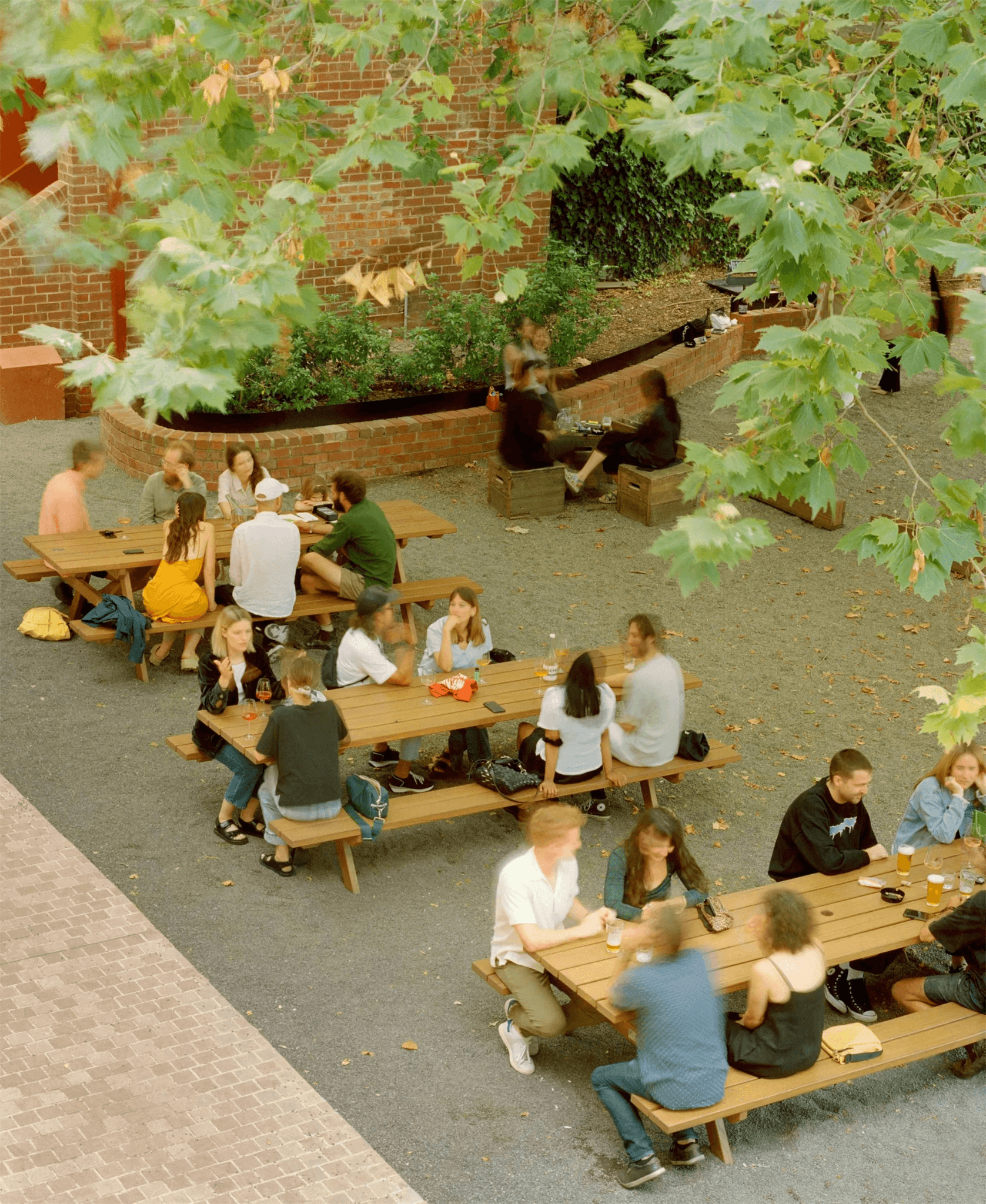
A chatbot can respond immediately. It doesn't replace sitting across from someone, sharing a laugh, having an unexpected conversation, or realizing that someone else is experiencing the same thing you are.
This is where physical community events play a role.
There's also growing interest in synthetic relationality, in which people turn to AI systems for companionship or emotional support. These tools offer immediate interaction, but they don't provide the same reciprocal relationship as another person who is physically present and participating in the same experience.
That doesn't mean every community event needs to be intense or highly social.
In fact, the best ones often give people room to ease into connection.
A silent book club, a small dinner, or a phone-free afternoon can create connection without forcing attendees into constant conversation.
The goal is simple: create spaces where people can be fully present with other people.
Quick note: If you want to grow your community through recurring events, read this!
Let’s proceed.
Let AI Handle the Back End, Not the Human Experience
AI has a useful role in community events. It can help you reduce the administrative work that makes planning exhausting.
Think:
Managing RSVPs
Forecasting attendance
Coordinating schedules
Creating task lists
Organizing vendors
Planning room layouts
Monitoring event budgets
Sending reminders
Reviewing attendee data
This is where AI should work hard. The front end of the event should feel different.
When attendees arrive, they shouldn't feel like they're entering another digital workflow. They should feel welcomed into a space designed for people.
That's the basic principle behind a dual-use event strategy: AI handles the operational complexity. People handle the connection.
For example, AI might help you predict how many chairs you'll need, coordinate your vendors, or identify likely attendance patterns.
Your host still greets people at the door.
Your facilitator still starts the conversation.
Your attendees still put their phones away and talk to one another.
The technology supports the experience without becoming the experience.
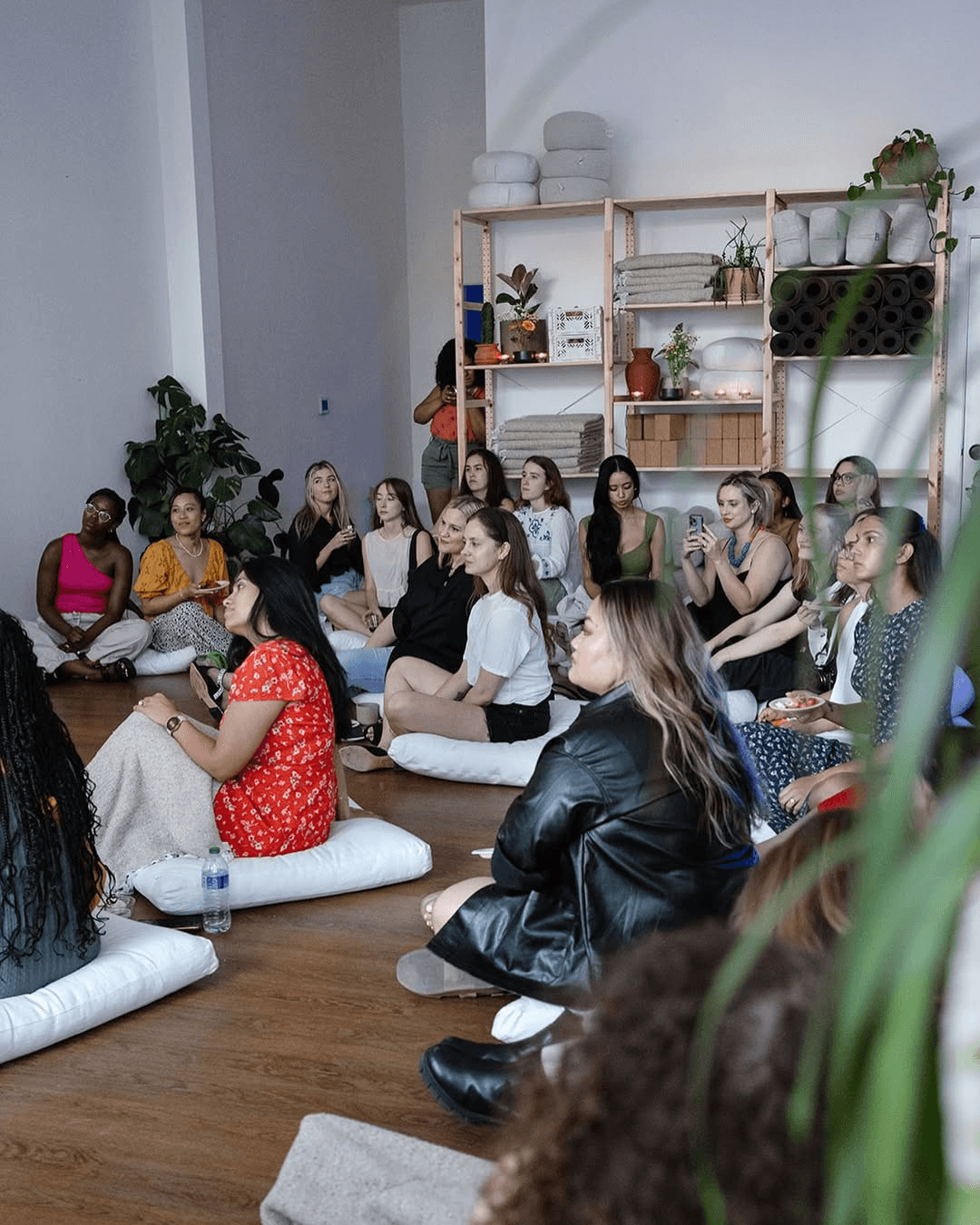
Design the Event Around Belonging
A wholesome community event doesn't happen because you put people in the same room. You have to design for belonging.
That starts with giving people a clear reason to be there. A community event should have a purpose that attendees understand before they arrive.
It also helps to think about the experience in terms of thresholds.
The transition into an event matters.
If someone walks in while answering Slack messages, checking Instagram, and thinking about everything they need to do later, they're physically present but mentally somewhere else.
So create a clear transition. That might mean:
A phone check-in or designated phone storage area
A welcome drink or cup of tea
A short arrival ritual
Soft lighting
A clear focal point
A quiet opening activity
And look, you don't need to make every event a digital detox. You need to create enough separation from everyday digital noise for people to pay attention to the people around them.
Use Sensory Design With Intention
The physical environment influences how comfortable people feel. You don't need an elaborate production design. Small sensory decisions can change how a room feels.
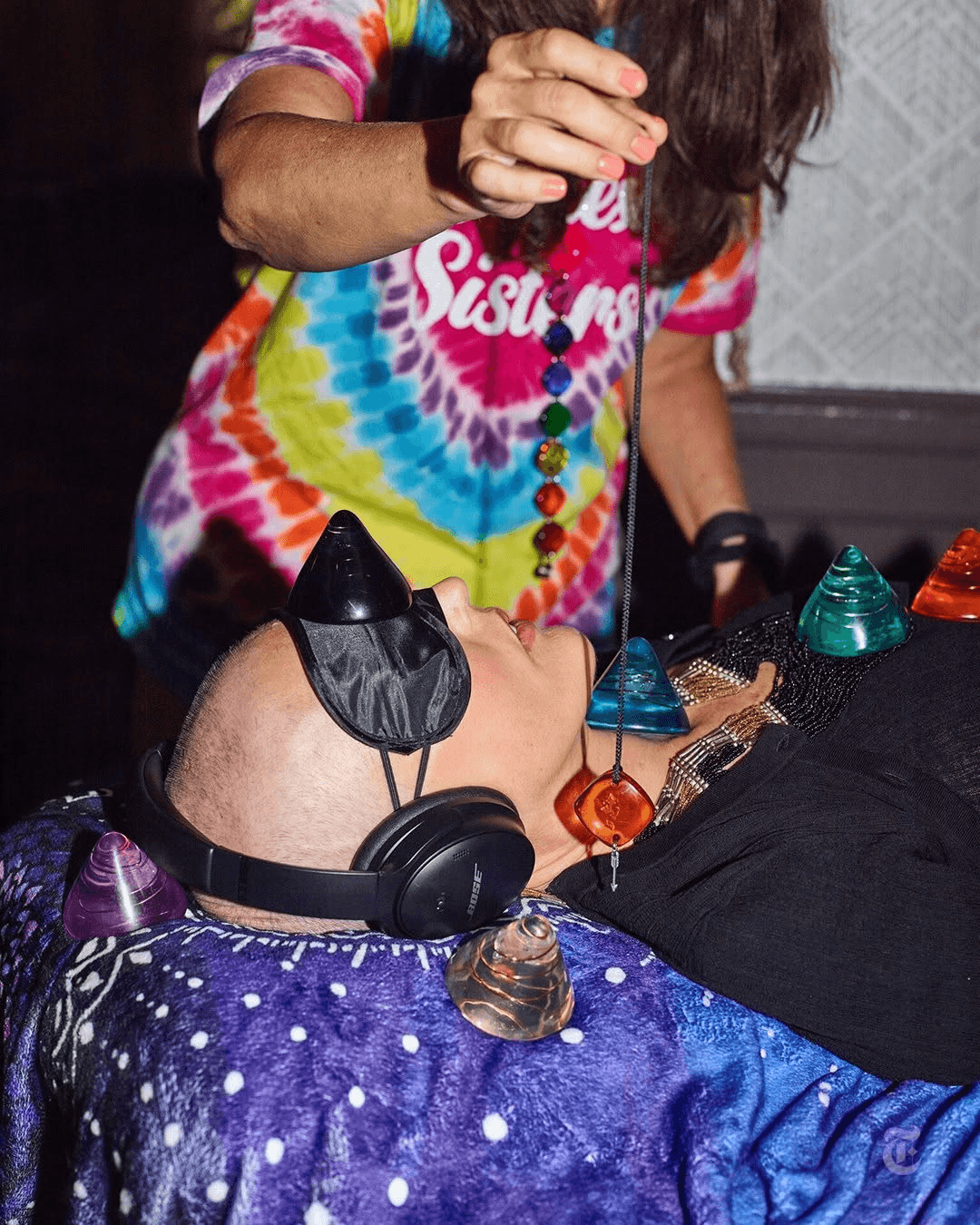
Create a Visual Anchor
Give the room a clear focal point, such as a plant, artwork, installation, or central table.
Avoid filling every surface with competing visual elements.
Warm, comfortable lighting also helps make a space feel less clinical.
Keep Scents Subtle
Scent should never overwhelm the room.
If you use one, keep it light and consistent. Citrus or rosemary might suit a daytime gathering, while softer scents such as lavender or chamomile might fit a quieter evening experience.
Always consider allergies and sensitivities before introducing fragrance.
Keep Sound Comfortable
Music should support the environment, not compete with conversation.
For a community dinner, reading club, or networking session, a low-volume instrumental soundtrack or gentle ambient sound is often enough.
Add Tactile Comfort
Think about what people physically interact with.
Comfortable seating, soft throws, natural materials, and small tactile objects can make a space feel more inviting.
The point isn't to create a sensory spectacle.
It's to make the room feel intentional and comfortable enough for people to settle in.
Use AI Responsibly Behind the Scenes
Keeping AI in the back end doesn't mean using it without boundaries. Community events depend on trust, so attendees should understand where AI fits into the experience.
Be Transparent
Tell attendees when AI is involved in areas that affect them, such as registration, matchmaking, communications, or data analysis.
Protect Attendee Data
Only collect information you have a clear reason to use.
If you're collecting dietary preferences, accessibility needs, or attendee interests, make sure the information is stored securely and shared only with the people who need it.
Check for Bias
AI systems work from the data and rules behind them. Review automated recommendations and decisions for patterns that exclude certain attendees or groups.
This matters especially when AI is helping with matchmaking, recommendations, or audience segmentation.
Protect Human Choice
AI should recommend, organize, and support.
People should still have control over their participation.
An attendee shouldn't feel trapped in an automated experience because a system has decided what they should do next.
Your technology should make participation easier, not harder to opt out of.
Try These Simple Community Event Formats
You don't need a huge venue or complicated program to create a meaningful experience. Some of the strongest community formats are deliberately simple.
The Offline Club
This format creates a defined break from phones and digital noise. A simple structure might look like:
Arrival and phone storage
45 minutes of reading or journaling
30 minutes of facilitated conversation
30 minutes of quiet reflection
Short closing discussion
The Offline Club format has grown from small café gatherings to larger events, showing that people are willing to choose structured offline time when the environment makes it easy.
The Two-Hour Cocktail Party
Keep this format short and structured.
Give people a clear start, facilitate introductions, create opportunities for small-group conversation, and give the event a defined ending.
The structure matters because unstructured networking often leaves attendees wondering who to approach or when it's appropriate to leave.
The Silent Book Club
Give attendees a shared activity that doesn't require constant conversation.
Everyone reads in the same space, with optional conversation before or afterward.

It works because people get the benefits of being around others without the pressure to perform socially.
Build the Community Beyond the Event
A wholesome event shouldn't end the moment everyone leaves. Use what you learn from the gathering to build a longer-term community.
Track:
First-time vs. returning attendees
Topics people engage with most
Events that generate repeat attendance
Community activities people participate in
Feedback from attendees
Which formats encourage people to return
Then use those insights to plan what happens next.
Someone who attended a book club might want an invitation to the next one.
Someone who loved a small networking dinner might want access to a more intimate gathering.
Someone who attended once and disappeared might need a different reason to return.
The aim isn't to keep people constantly engaged. It's to give them a reason to come back when the next meaningful gathering happens.
Build Wholesome Events With a Human-First Approach
AI doesn't have to compete with community. Used well, it takes care of the work that keeps organizers buried in spreadsheets, emails, schedules, and logistics.
That leaves people to do what technology can't replace: welcome each other, share experiences, build relationships, and create a sense of belonging.
Start small.
Choose one part of your planning process for AI to handle, then use the time you save to improve the human experience at the event.
That's the balance worth aiming for: AI behind the scenes, people at the center.
Ready to plan more wholesome events with less operational work? Try Mingloft today.