Breaking into corporate event planning takes more than passion. Here is a practical, step-by-step guide covering the skills, credentials, and strategies that get you hired in 2026.
The market for corporate event planning jobs is more competitive than ever in 2026, but it is also more accessible.
Companies are investing heavily in internal experiences, client events, and large-scale conferences after years of scaled-back budgets. That means hiring managers are actively looking for planners who can deliver results, not just describe enthusiasm for the industry.
Whether you are transitioning from hospitality, marketing, or a completely different field, this guide gives you a clear path forward.
What Hiring Managers Actually Look for in Corporate Event Planners
Before you update your resume, it helps to understand what sits at the top of a hiring manager's checklist. We have spoken with in-house event leads at mid-size and enterprise companies, and the same themes come up repeatedly.
Budget ownership: Can you build a budget, track spend in real time, and reconcile actuals after the event? Planners who can speak confidently about numbers stand out immediately.
Vendor relationship management: Companies want someone who already knows how to negotiate contracts, manage caterers, and hold AV teams accountable without drama.
Stakeholder communication: Corporate events serve internal clients. You will constantly manage competing priorities from executives, marketing teams, and HR. Clear, proactive communication is non-negotiable.
Crisis and contingency thinking: Interviewers love asking about things that went wrong. Prepare two or three stories that show how you stayed calm, solved the problem, and protected the attendee experience.
Technology fluency: More on this below, but knowing your way around event management platforms is increasingly treated as a baseline skill, not a bonus.

The Skills That Matter Most Right Now
Corporate event planning in 2026 blends traditional logistics expertise with a growing set of digital and data skills. Here is where to focus your development.
1. Project Management
Event planning is project management with a live audience. Familiarity with frameworks like Agile or tools like Asana and Trello signals to employers that you can manage complex timelines without being micromanaged.
If you have not already, consider earning a Project Management Professional (PMP) certification or completing a Google Project Management Certificate. Both are recognized and relatively fast to obtain.
2. Data and Reporting
Post-event reporting has moved far beyond a headcount spreadsheet. Hiring managers want planners who can pull registration data, analyze attendance patterns, and present ROI clearly to leadership.
Get comfortable with basic data visualization, even if that just means building clean charts in Google Sheets or presenting survey results in a structured format.
3. Event Technology Platforms
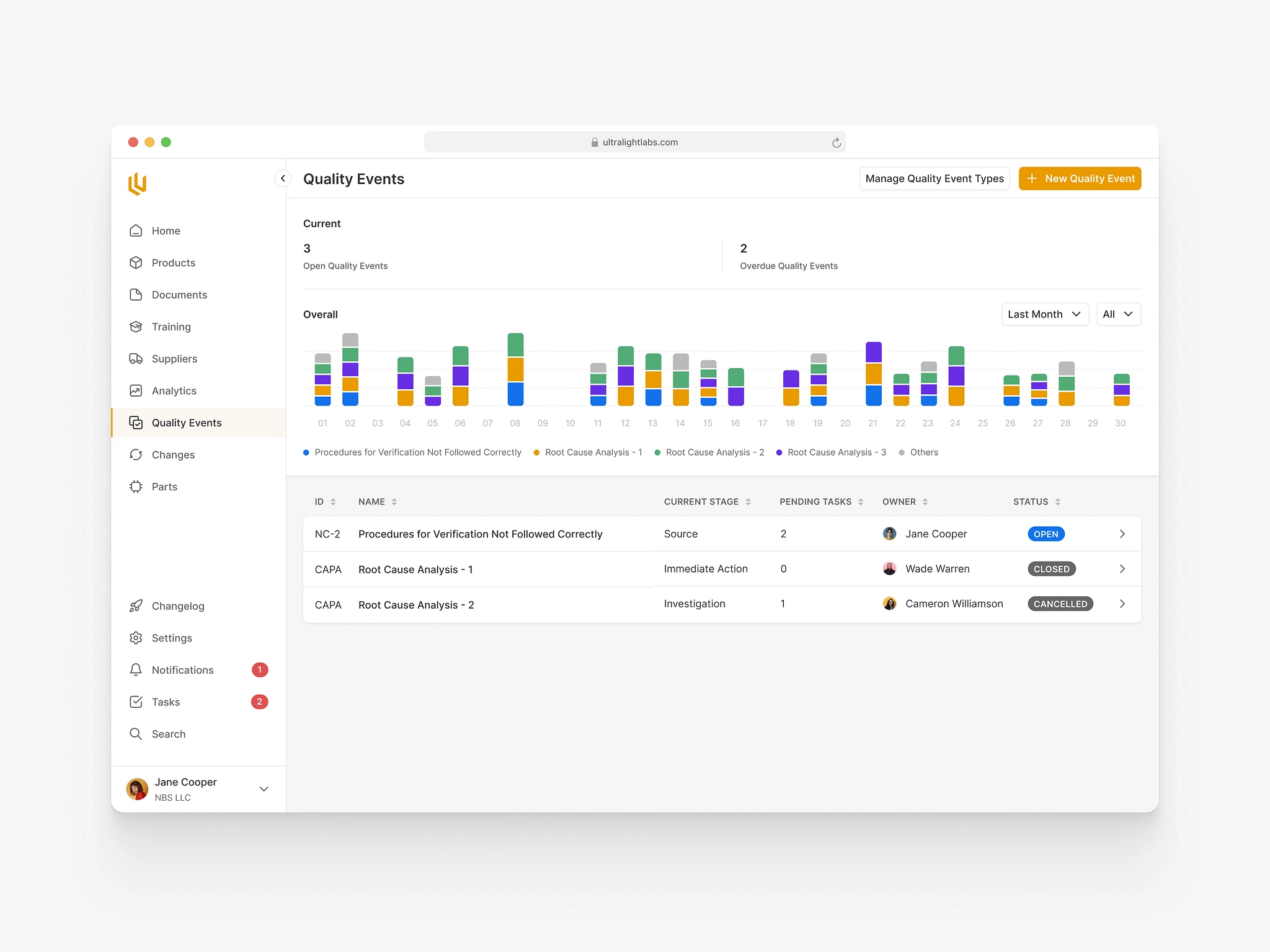
This is where day-to-day proficiency pays off in a real way. Corporate teams rely on end-to-end platforms to handle registration, ticketing, attendee communication, and reporting under one roof.
We built Mingloft specifically for this kind of workflow because we saw how much time planners waste stitching together disconnected tools.

Being able to say in an interview that you have hands-on experience with a full-featured event management platform and can onboard a team quickly is a genuine differentiator.
4. Hybrid and Virtual Event Production
Hybrid events are not a trend that has faded. They are a permanent fixture in corporate calendars. Understanding streaming basics, virtual platform configuration, and how to keep remote attendees engaged alongside in-person guests is a skill set companies will pay for in 2026 and beyond.
How to Position Yourself Competitively
📍Build a Portfolio Before You Have the Title
If you are transitioning from another industry, do not wait for a corporate role to start building relevant experience. Volunteer to plan a nonprofit fundraiser, coordinate a local professional association conference, or offer to shadow an event agency.
Document everything with photos, timelines, and budget summaries. A two-page portfolio case study showing a real event you managed from brief to debrief is worth more than a generic resume line about being "detail-oriented."
📍Pursue the Right Certifications
Two credentials consistently appear in corporate event job postings:
The Certified Meeting Professional (CMP) designation from the Events Industry Council is the gold standard for corporate planners.
The Certified Special Events Professional (CSEP) is another strong signal. Both require experience hours, so start logging your work now, even if you are not yet eligible to sit for the exam.
📍Network Where Hiring Managers Actually Are
LinkedIn remains the most direct path to corporate event roles. Follow companies you want to work for, engage with posts from their events and HR teams, and connect with in-house event managers.
Beyond LinkedIn, join the Meeting Professionals International (MPI) community and attend local chapter events. Many corporate event roles are filled through referrals before they ever reach a job board.

📍Tailor Every Application to the Company's Event Mix
A company that runs three massive annual sales conferences has different needs than one focused on intimate executive dinners and roadshows. Read job descriptions carefully and mirror their language.
If they mention "executive events," lead with that experience. If they emphasize "attendee experience strategy," do not bury your relevant work in bullet three.
The planners who get hired fastest are the ones who walk in already speaking the company's language, knowing their event types, their audience, and their likely pain points.
Where to Find Corporate Event Planning Jobs in 2026
Start with LinkedIn Jobs and Indeed, but go beyond the obvious. Check company career pages directly, especially for mid-size tech firms, financial services companies, and consulting firms, all of which tend to hire dedicated in-house event staff.
Specialized boards like ExecuSearch, Convene, and BizBash's job board surface roles that never make it to general listings. Staffing agencies that focus on hospitality and events, such as Opus Agency or Limelight, also place candidates in contract-to-hire roles that frequently convert to full-time positions.
Set Yourself Up for Day-One Success
Once you land the role, the real work begins. The best corporate planners we know treat their first 90 days as a listening tour. They learn the internal approval processes, map the vendor relationships that already exist, and get fluent in whatever tools the team is using.
If there is an opportunity to consolidate or upgrade those tools, that is often where a new hire can make an early impact. We designed Mingloft to be the kind of platform a team can adopt quickly, so planners spend less time on setup and more time on strategy.

The path to a corporate event planning career is specific and learnable. Focus on the skills that matter, show your work before you have the title, and build relationships in the communities where corporate planners gather. The roles are out there, and with the right preparation, so are you.
We're cheering you on! Go get that role!
Mingloft Team
Event planning insights and platform updates from the Mingloft team.
Share