Measurement
8 min read
How Do You Measure Event Success?
A full room used to be proof that an event worked. Not anymore. Here's how to measure event success by revenue, pipeline, and behaviour change instead of vanity metrics, the five KPIs that matter, the Kleeger framework, and why connected data beats exported reports.

For years, event success was measured by a handful of familiar numbers: registrations, attendance, and post-event survey scores. If the venue was full and attendees left smiling, the event was a success.
That no longer reflects what modern organizers are expected to deliver. Executives want to know how events contribute to revenue. Sponsors want proof of ROI. Sales teams want pipeline impact. Marketing needs evidence that events influence customer behaviour long after the closing session.
Success is no longer about how many people showed up. It's about what changed because they did. That shift is the whole point of data-driven event planning, and it's what this guide is about.
Here's what we'll cover:
The biggest mistake organizers make when measuring success
How to measure success before, during, and after an event
The five metrics every event team should prioritize
The Kleeger KPI framework for B2B events
When to use Return on Objectives (ROO) instead of ROI
Why behaviour change beats attendee satisfaction
Why connected data beats exporting reports from multiple tools
The Biggest Mistake Event Organizers Make
The most common mistake is relying on vanity metrics instead of meaningful outcomes.
Attendance numbers show reach, not impact.
Survey responses measure sentiment, not behaviour.
Social impressions show visibility, not business value.
These metrics have their place, but they don't answer the questions leadership actually cares about:
Did the event generate revenue?
Did it influence existing opportunities?
Did attendees become customers?
Did sponsors get real ROI? Did anyone behave differently afterward?
And most teams already know this is the gap. A 2024 events industry report found that 53% of marketers weren't measuring the opportunities their events created at all.

A planner ticking off a checklist
More than half the industry spends real budget on events, then never tracks the one thing that proves they paid off. Modern measurement has to connect event performance to business goals, not just report activity.
Event Success Starts Before the Event Begins
The biggest misconception in event analytics is that measurement starts after the event. It doesn't. The best reports are built before registration even opens, and that's also when you should decide what you'll track.
So here’s the playbook:
1. Define SMART Objectives
Every successful event starts with objectives that are Specific, Measurable, Achievable, Relevant, and Time-bound.
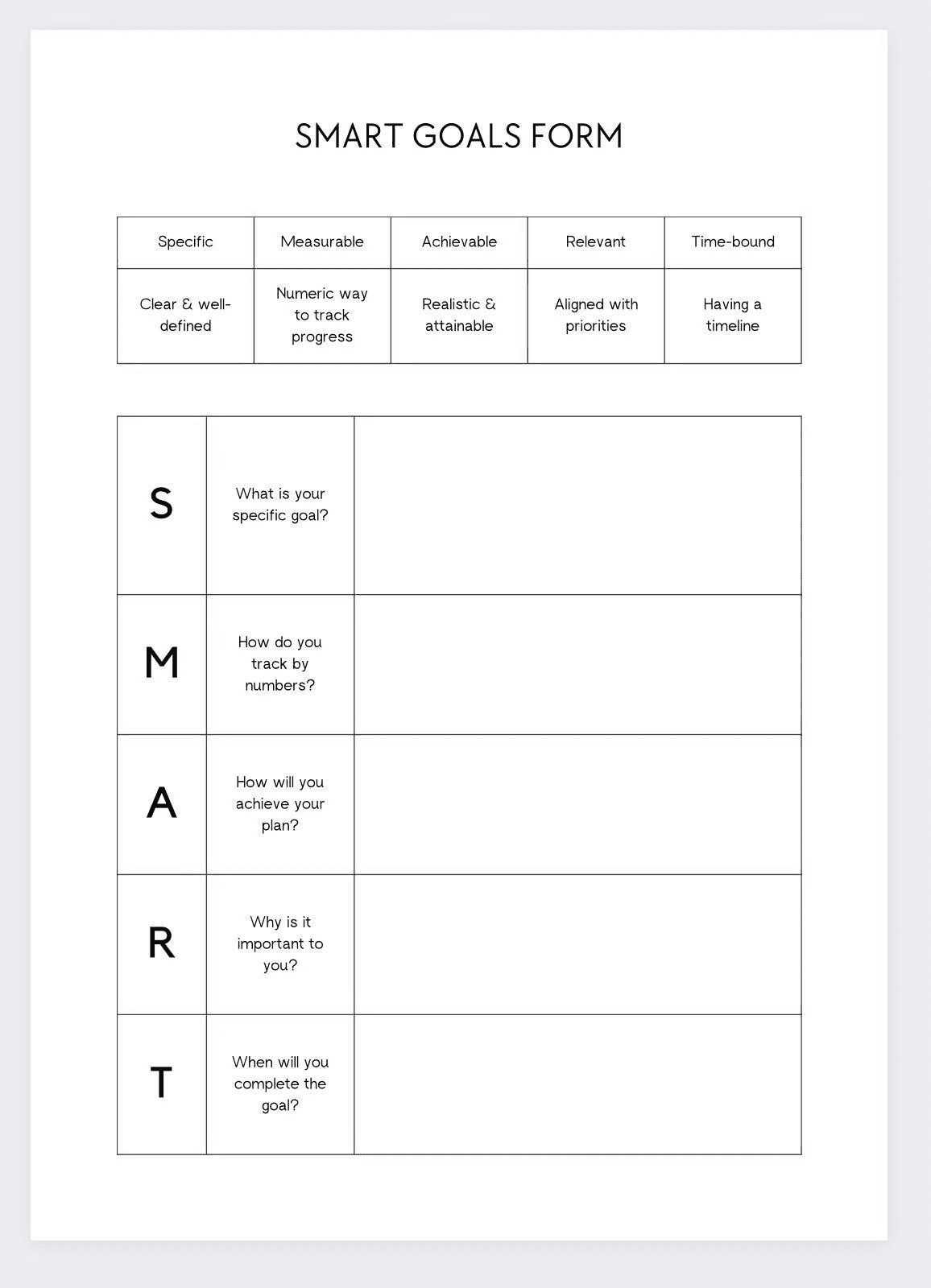
SMART goals form
Without them, there's no benchmark to measure against. Instead of "we want a successful conference," define outcomes you can hold up against a result:
Generate $500,000 in sourced pipeline
Increase partner meetings by 25%
Improve attendee satisfaction to an NPS above 50
Increase employee engagement scores by 15%
2. Establish Return on Objectives (ROO) Baselines
Not every event exists to generate immediate revenue. Internal meetings, sales kickoffs, leadership retreats, and recognition events exist to drive organizational change.
That's where Return on Objectives beats traditional ROI.
ROO measures success against qualitative goals: employee engagement, brand perception, knowledge transfer, cultural alignment, and customer trust.
Before the event, set a baseline using surveys, interviews, HR data, or CRM records. After, repeat the same measurement to see whether anything actually moved.
Note: While there is no single division-based formula like financial ROI, the calculation is effectively: (Post-Event Metric) - (Baseline Metric) = Return on Objective
3. Measure Entry Behaviour
One framework that deserves more attention is entry behaviour.
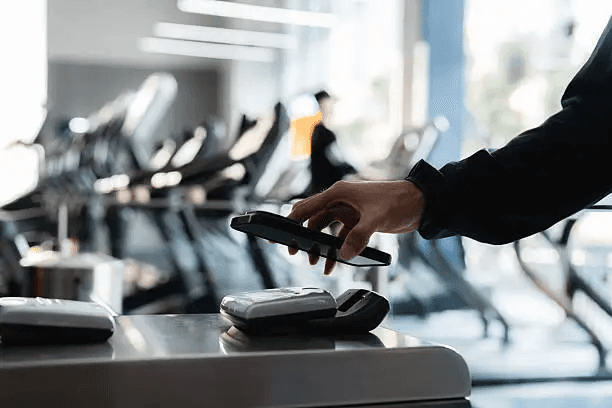
A guest scanning their event pass
Instead of asking how attendees felt after the event, ask where they started before it: their current buying intent, product knowledge, motivation, brand perception, or sales readiness.
The event should be designed to change one of those. Success isn't attendance; it's measurable movement from one state to another.
How to Measure Success Throughout the Event Lifecycle
Each stage of the event answers a different question:
Before the Event
This stage measures preparation and audience quality, not just the number of seats filled. Track registration growth and conversion, audience targeting, matched leads, and marketing channel performance.
The goal is to attract the right people, which is the same discipline that drives tracking your booking data.
During the Event
Once the doors open, the focus shifts to engagement: check-in rate, session attendance, dwell time, poll and Q&A participation, networking activity, and booth visits.
These reveal whether people are actively participating or passively sitting there. Capturing these interactions cleanly is the core of event tracking.
After the Event
This is where the most valuable measurement happens: event ROI, sourced and influenced pipeline, lead conversion, retention, repeat attendance, sponsor ROI, NPS, and long-term behavioural change.
The event isn't truly over until these are measured, and some of them don't show up for months.
The Five Metrics Every Event Organizer Should Track
If we had to narrow it to five KPIs, these are the ones we recommend:
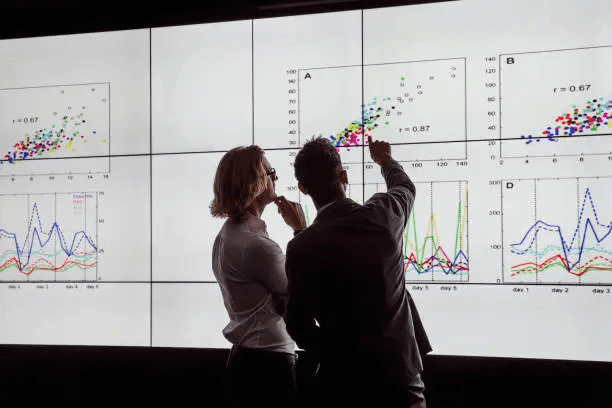
People analyzing event stats
1. Event ROI
Executives want to know whether the event returned more than it cost. A healthy benchmark for many commercial events is three to five times the total investment.
2. Pipeline Impact
Revenue matters more than registrations. Track sourced pipeline (new opportunities created) and influenced pipeline (existing opportunities accelerated). Together they show how the event contributed to growth.
3. Net Promoter Score (NPS)
NPS remains one of the strongest signals of attendee advocacy and future loyalty, because
it measures whether someone would recommend the event, not just whether they liked it. The fastest way to pair it with the why behind the score is to run your open-ended survey feedback through AI.
4. Attendance Rate
Registrations show interest. Attendance shows commitment. A high attendance rate usually indicates that your marketing, messaging, and targeting were aligned.
A climbing no-show rate is feedback worth treating as its own problem to solve.
5. Engagement
Engagement measures depth, not volume. Look past headcount to session participation, dwell time, poll responses, networking activity, and questions asked.
These show whether attendees genuinely connected with the experience.
The Kleeger KPI Framework Every B2B Event Team Should Know
One of the most practical frameworks for measuring event performance comes from Myles Kleeger, former CRO of Appboy and a Salesforce alum.
Instead of focusing on attendance, it aligns event marketing with sales performance, and the rule is simple: hit two of the three benchmarks and the event was a success.
Let’s dig into it:
📌The 5:1 Sourced Pipeline Benchmark
For every dollar invested, aim to generate five dollars in net-new pipeline. Spend $10,000, target $50,000 in sourced pipeline. This measures the event's ability to create entirely new business.
📌The 10:1 Influenced Pipeline Benchmark
Many attendees are existing prospects, not new ones. Aim for ten dollars of influenced pipeline for every dollar spent, showing how the event moved deals you already had closer to the finish line.
📌The One-Third Matched Leads Benchmark
Audience quality matters as much as size. Aim for at least a third of attendees to come from high-value target accounts your sales team has already identified, so you're pulling the people you actually want in the room.
Why Behaviour Matters More Than Satisfaction
Here's an opinion we hold strongly: attendee satisfaction is overvalued. Happy attendees are not necessarily successful ones.
Someone can leave a conference inspired, rate every session five stars, and never take another action. Real success shows up when attendees do something differently: book a follow-up, request a demo, return next year, become a customer, refer a colleague, or adopt a new process.
Behaviour change is a stronger signal than sentiment, which is why you track both what attendees felt and what they actually did.
What Should Organizers Do After Collecting Event Data?

An event organiser at work
Collecting data is only the first step (we’ve established that). The value is in acting on it. After every event:
Analyze what drove both the wins and the misses.
Deliver sponsor ROI reports while results are still fresh.
Feed qualified leads straight into your CRM.
Compare results against your pre-event objectives.
Identify the formats worth repeating.
Share executive summaries focused on business impact, not raw data.
Every event should leave behind a roadmap for the next one.
Mega Disclaimer:
Not every event deserves to become an annual tradition. One principle worth borrowing is the two-try rule: don't abandon an underperforming event after one bad year.
Instead, investigate whether external factors, a sick speaker or a clashing date hurt the outcome. If it underperforms again despite fixes, the data gives you a clear case to retire it and move the budget somewhere better. One bad result is an anecdote. Two is a pattern.
Why Connected Event Data Matters
The problem we see constantly is that organizers export reports from separate platforms and stitch them together in spreadsheets. Registration lives in one system, check-ins in another, survey responses in a third, and sponsor engagement in a fourth.
In real sense, each tool tells part of the story. None of them tells the whole thing.
Event success should be measured across a single connected attendee record. When registration, ticketing, check-ins, engagement, tasks, networking, and feedback all live in one platform, every attendee is one record instead of four disconnected reports.
That changes reporting from "what happened?" to "why did it happen?"
Instead of hours reconciling exports, you can see immediately which channels brought your highest-value attendees, which sessions influenced decisions, and which sponsors earned the most engagement. That's the difference between collecting data and creating insight.
Let’s Wrap It Up
Modern event success isn't measured by attendance.
It's measured by business outcomes, behaviour change, and long-term value. The organizers who stand out aren't the ones who fill venues; they're the ones who can show how their events influenced customers, accelerated revenue, and strengthened relationships: So treat your event data not as a report card, but as a tool for making the next event better.
Ready to plan smarter, not harder? Try Mingloft free today.