Learn how data-driven event planning helps organizers make smarter decisions before, during, and after an event. Discover the metrics that matter, practical strategies, and best practices for improving attendee experiences and maximizing event ROI.
For decades, event planning was guided primarily by intuition, aesthetic trends, and gut feelings. As an event organizer, you were forced to rely on historical precedents and creative instincts to select venues, curate agendas, and design experiences.
However, with the rise of digital technologies, the events space has totally changed. Today, the most successful events are built on empirical evidence.
And data-driven event planning entered the chat.
In this guide, you'll learn how data-driven event planning helps you make better event decisions, including:
What data-driven event planning is
The data that matters most throughout the event lifecycle
How data improves event planning and decision-making
Best practices for using event data effectively
Common mistakes to avoid
What is Data-Driven Event Planning?
Data-driven event planning is the practice of using quantitative and qualitative data to design, execute, and evaluate events.

What is data-driven event planning
By using attendee metrics, historical analytics, and real-time behavioral insights, event planners can:
Eliminate guesswork,
Optimize operations,
Minimize financial risks, and
Deliver more personalized experiences that maximize return on investment (ROI).
In the next sections, we’ll go through how data supports each stage of the event lifecycle, along with strategies to get the most out of that data. Let’s get started with:
Phase 1: Pre-Event Optimization and Predictive Planning
The success of an event is often determined long before the first attendee checks in.

Empty event venue
Every decision you make before the event, from choosing your audience to setting ticket prices and building your agenda, affects registrations, engagement, and overall event performance.
Instead of relying on assumptions, data helps you understand what your audience wants, how they behave, and where you should focus your efforts.
This allows you to make informed decisions before your event begins, reducing risk while improving the attendee experience.
Hyper-Targeted Marketing and Audience Segmentation
Sending the same marketing message to everyone rarely delivers the best results. Different attendees have different goals, interests, and reasons for attending your event, so your marketing should reflect that.

Bar Code Ticket
Historical registration data, website analytics, email engagement, and social media insights can help you build audience segments based on factors such as:
Industry or job role
Company size
Geographic location
Previous event attendance
Topics or speakers they've shown interest in
For example, someone who attended your AI conference last year may respond better to an email highlighting advanced technical sessions, while a first-time attendee might be more interested in networking opportunities or beginner-friendly workshops.
Using this data lets you send more relevant campaigns, improve engagement, and reduce the cost of acquiring new attendees, rather than relying on broad marketing campaigns that appeal to no one in particular.
Dynamic Pricing and Revenue Management
Pricing shouldn't be based on guesswork either.
Historical booking data can reveal how quickly tickets sold for previous events, when registrations typically increase, and which pricing tiers generated the most demand.
These insights help you create a pricing strategy that reflects actual attendee behavior rather than assumptions.
For example, if registrations consistently spike during the third week of your campaign, you might introduce a limited-time ticket tier just before that period to maximize demand.
On the other hand, if registrations are lower than expected, early-bird discounts or promotional offers can help encourage bookings before sales slow down further.
Looking at booking trends over time also helps you forecast revenue more accurately, making it easier to manage budgets and allocate resources with confidence.
Content Curation Driven by Attendee Intent
One of the biggest challenges for event organizers is deciding what content their audience actually wants.
Rather than making educated guesses, data provides clear answers:
Pre-registration surveys,
Website searches,
Session wish lists,
Previous event feedback, and
Industry trends all reveal the topics attendees care about most.
Even simple questions during registration, such as asking attendees about their biggest professional challenges or which sessions they're most interested in, can provide valuable direction.

Audience listening to a panet at a conference
Imagine you're planning a marketing conference. If registration data shows most attendees are interested in AI automation, but very few select social media advertising, you can adjust your agenda before the event.
That might mean adding another AI-focused workshop, inviting a specialist keynote speaker, or expanding related breakout sessions.
Building your agenda around attendee intent increases the likelihood that sessions will be well attended, discussions will be more engaging, and attendees will leave feeling the event addressed the challenges that mattered most to them.
Phase 2: Execution and Real-Time Operational Adaptations
The real power of data appears once the event is live.
During the event, you no longer have to wait until the end of the day to find out what’s working.
Real-time data shows how attendees are moving through the venue, which sessions are attracting attention, and where operational issues are emerging. That means you can make adjustments while the event is still underway, rather than discovering problems after it’s over.
Crowd Logistics and Traffic Flow Analysis
Long queues can quickly damage the attendee experience. Whether attendees are waiting to check in, grab lunch, or access popular sessions, congestion leads to frustration and unnecessary delays.

People registering for an event at a tent
Many event teams now use tools such as RFID badges, Bluetooth beacons, digital check-ins, and venue heat maps to understand crowd movement in real time.
For example, if data shows that attendees are piling up at one entrance while another check-in area is underused, staff can be redirected immediately.
This is also where digital maps and wayfinding tools become valuable. They help attendees navigate a venue more easily and significantly improve overall satisfaction, especially at large conferences and exhibitions.
Live Engagement Tracking and Session Agility
In the past, organizers often had to wait for post-event surveys to learn whether a session was successful.
Today, live polling, Q&A tools, session check-ins, and event app analytics provide immediate feedback. If a keynote suddenly sees a surge in poll participation and questions, that’s a strong signal that the topic is resonating with the audience.

Overhead crowd shot of people at an event
On the other hand, if attendees start leaving a session early or engagement drops sharply, organizers can investigate what’s happening. It may be a timing issue, a technical problem, or a topic that isn’t meeting expectations.
These insights help event teams stay agile. Instead of treating the agenda as fixed, they can make informed adjustments, support speakers with real-time feedback, and improve the attendee experience while the event is still in progress.
Phase 3: Post-Event Analysis and Demonstrating ROI
The event may be over, but the most valuable insights often come afterward.
This is when you bring together the data collected before, during, and after the event to evaluate performance, measure business outcomes, and identify opportunities for improvement.
Instead of relying on assumptions, post-event data helps you understand what worked, what didn't, and what changes will have the biggest impact on your next event.
Calculating True Return on Investment (ROI)
Ticket sales only tell part of the story.
To understand the true value of an event, you need to measure the outcomes it generated. That might include qualified leads, new customers, partnership opportunities, sponsorship revenue, or deals influenced by the event.
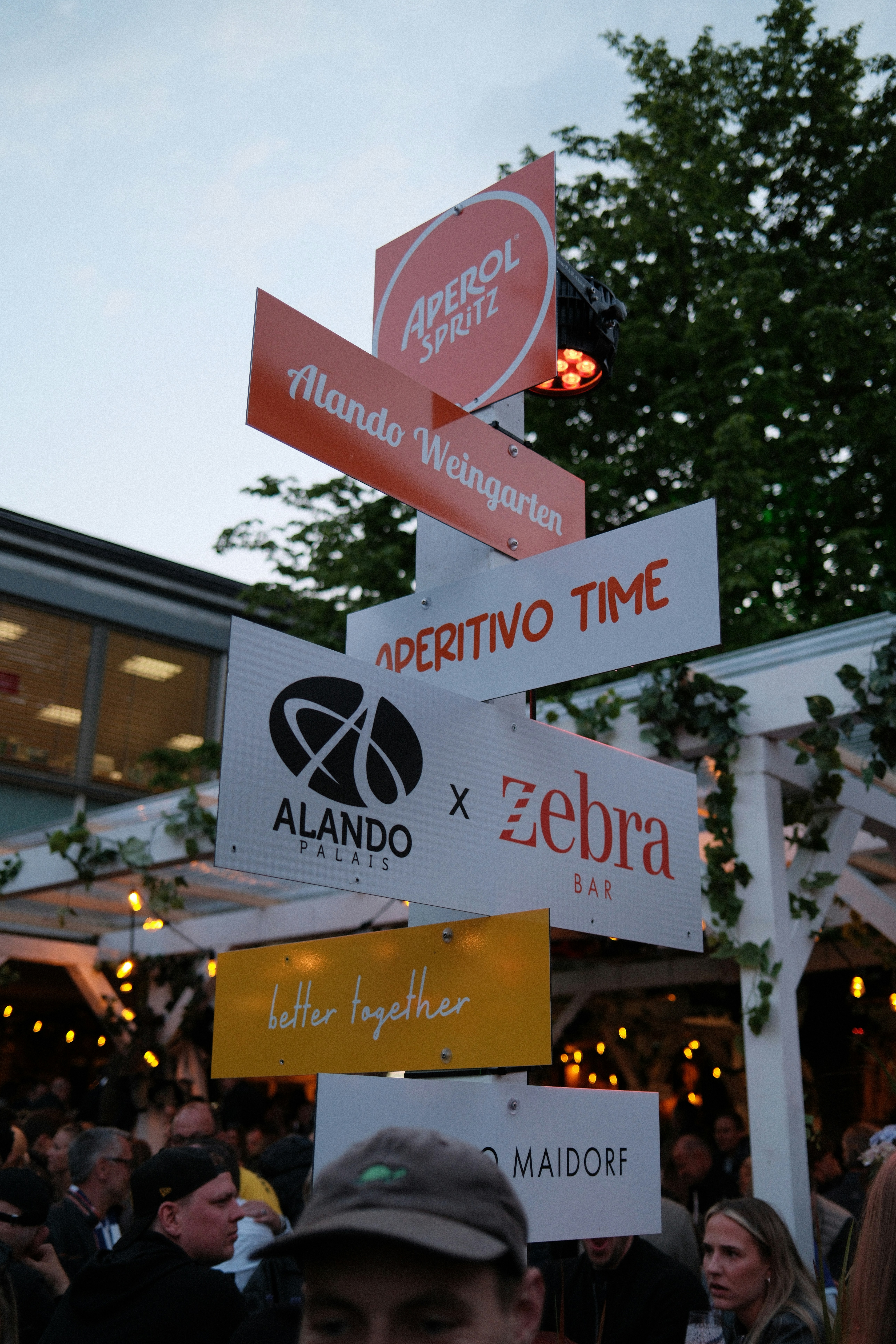
Company banners at an event
That’s why we recommend Mingloft to event organizers so they can follow attendees beyond the event itself. With Mingloft, you can track:
How many leads converted into customers,
How much revenue the event generated, and
Whether it delivered a positive return on investment.
Go beyond ticket sales with Mingloft.
Proving Sponsor Value with Tangible Metrics
Sponsors expect more than logo placement; they want measurable results.

An Attendee Scanning a QR Code to enter an event
Event data allows you, as the event organizer, to demonstrate exactly how attendees interacted with sponsored content throughout the event. This could include metrics such as:
Booth visits
QR code scans
Sponsored session attendance
Clicks on digital banners
Resource downloads
Lead captures
Instead of estimating exposure, you get to provide sponsors with clear performance reports backed by real data. This transparency helps demonstrate ROI, strengthens sponsor relationships, and makes sponsorship renewals for future events much easier.
Closing the Feedback Loop
Post-event surveys remain one of the best ways to understand the attendee experience, but they're even more valuable when combined with behavioral data.
For example, attendees might rate a session highly, while engagement data shows that many people left halfway through. Looking at both sets of information gives you a more complete understanding of what actually happened.
For larger events, sentiment analysis tools can also help process thousands of open-ended responses by grouping comments into positive, neutral, and negative themes.
And yes, manually reviewing every response can be tiring; that’s why Mingloft lets you collect and analyze data in seconds.
Whether that's long registration queues, venue navigation, room temperatures, or feedback about specific speakers, Mingloft has you covered.
Technology Stack and Ethical Data Practices
A successful data-driven event strategy depends on having the right technology and responsible data practices in place. Here are the essentials:
Use an integrated event tech stack to connect your event platform with your CRM, marketing automation tools, and analytics software.
Break down data silos by ensuring attendee data flows seamlessly across teams and systems.
Collect only the data you need to support your event goals and reporting.
Obtain clear attendee consent before tracking location, RFID activity, or other behavioral data.
Be transparent about data collection by explaining what you collect, why you collect it, and how it will be used.
Comply with privacy regulations such as GDPR and CCPA when collecting and managing attendee data.
Protect attendee information with strong cybersecurity measures and controlled access to sensitive data.
Regularly review your data practices to ensure they remain secure, compliant, and aligned with attendee expectations.
Turn Data Into Better Events
Data-driven event planning isn't about collecting more information, but making better decisions at every stage of the event lifecycle.
When you use the data you’ve gathered before, during, and after your event, you can market more effectively, improve the attendee experience, measure real business outcomes, and continuously refine future events. Mingloft helps event organizers bring all of these insights together in one place, making it easier to track performance, understand attendee behavior, and prove the value of every event.
Ready to plan smarter, not harder? Try Mingloft free today.
So, how are you using data to improve your events?
Frequently Asked Questions (FAQs)
1. What are the most critical metrics to track for a data-driven event?
The most critical metrics are divided into three areas: financial, operational, and engagement. You should track the net registration-to-attendance conversion rate, session drop-off rates (how long attendees stay in a room), real-time mobile app adoption, sponsorship ROI, and lead-generation velocity.
2. Can small-scale events or local meetups benefit from data-driven planning?
Yes, small gatherings generate valuable insights. For smaller events, tracking data can be as simple as analyzing email open rates, pre-event survey topics, and post-event Net Promoter Scores (NPS). This data allows small-scale planners to understand exactly what their specific audience wants without requiring multi-million dollar software ecosystems.
3. How do you track attendee movement at an in-person event without invading privacy?
Attendee tracking can be managed ethically using anonymized data. Technologies like overhead heat-mapping cameras count bodies without identifying faces, while passive Wi-Fi pinging monitors device concentrations in specific zones. If individual methods such as RFID badges are used, attendees should be given the option to opt out at registration.
4. How early should data collection begin for a new event?
Data collection should begin during the initial pre-registration or landing page launch phase. Tracking early metrics like referral traffic sources, high-intent search terms on your website, and early-bird checkout abandonment tells you exactly how to adjust your core marketing messaging before the primary sales push.
5. What is the role of Artificial Intelligence (AI) in data-driven event planning?
AI accelerates data synthesis and predictive planning. AI models can also review historical patterns to predict ticket sales trajectories, run automated sentiment analysis on thousands of textual reviews, and power AI matchmaking engines that connect attendees for B2B networking based on shared data profiles.
6. How do you convince traditional stakeholders or clients to adopt a data-driven approach?
Frame the shift around risk mitigation and financial predictability. Traditional stakeholders often fear the costs of technology. Show them how tracking real-time food and beverage data eliminates catering waste, or how specific sponsor data dashboards guarantee high renewal rates, turning technology costs into a verifiable revenue saver.
7. What should event planners do if the data contradicts their creative vision?
Data should inform, not replace, creative vision. If data contradicts a creative plan, such as indicating your audience prefers technical panels over a costly, high-concept interactive experience, you should adapt. Use the data to build the event's structural core (timing, topics, logistics), and channel your creative vision into the aesthetic delivery, storytelling, and human hospitality components.
Mingloft Team
Event planning insights and platform updates from the Mingloft team.
Share