Learn which event booking metrics matter most and how to track attendee behavior, and registration data to increase event bookings and improve conversion rates.
People visit your event page, browse your agenda, and even start the registration process, but many never complete their booking.
Without the right data, it's impossible to know whether they're leaving because of confusing registration forms, unclear pricing, weak event messaging, or something else entirely.
The difference between average and high-performing events isn't always more traffic. It's understanding which attendee actions lead to registrations and which ones signal friction before someone leaves your booking page.
In this guide, you'll learn:
Which booking metrics matter most
How to identify where attendees drop off
Turning attendee behavior into more registrations
Best practices for tracking booking data
Common mistakes to avoid
Data You Should Track to Improve Your Event Bookings
Let’s waste no time here. Every attendee leaves behind valuable signals before completing a booking.

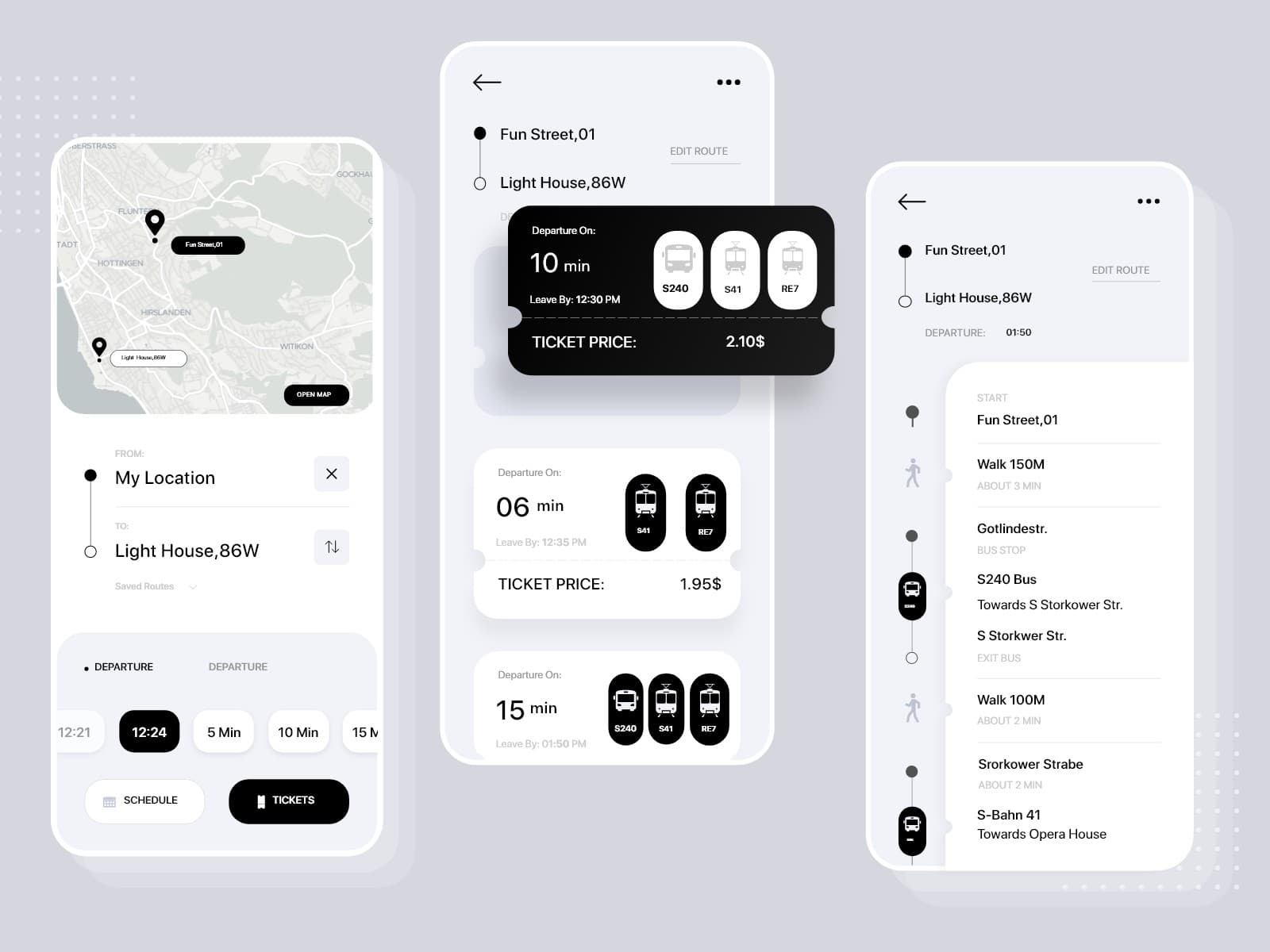
Example of an event booking site
By monitoring those interactions throughout the booking journey, you can identify what's working, uncover friction, and create a smoother path to registration.
So go for these:
1. Registration and Booking Funnel Data
Your registration funnel shows exactly where potential attendees continue, and where they stop.
Here’s what you should be tracking:
Registration starts
Registration completions
Registration abandonment
Booking conversion rate
Checkout progression
Form validation errors
Comparing registration starts with completed registrations reveals your overall conversion rate. If many visitors begin registering but never finish, it's a strong sign that something within the process is creating friction.
Looking at this number deeper helps you pinpoint the cause:
Are attendees abandoning the form at a specific field?
Are payment errors preventing bookings? Is the checkout process too long?
Answering these questions allows you to remove obstacles before they affect more registrations.
2. High-Intent Attendee Actions
Not every visitor is ready to book immediately. Many show interest through smaller interactions that signal they're moving closer to making a decision.

An example of an event on the Mingloft
Track the small intentional actions, such as:
Agenda views
Speaker profile views
Session selections
Event brochure downloads
Resource downloads
Pricing page visits
Promo code usage
These "micro-conversions" reveal which topics, speakers, and event features generate the most interest.
They also help identify attendees who may benefit from reminder emails or targeted follow-ups before registration closes.
3. Website and Registration Behaviour
Your event website should make booking simple, and behavioural data helps you understand whether it does.
Monitor metrics like:
Scroll depth
CTA clicks
Video engagement
Internal site searches
Exit pages
If visitors never reach your registration button, your page layout may need improvement.

A speaker on stage
If they repeatedly search for refund policies or parking information, important details may be too difficult to find.
These insights help you improve both your booking page and the overall attendee experience.
4. Marketing and Attribution Data
Understanding where registrations come from allows you to invest in the channels that actually drive bookings.
Track:
Referral sources
UTM campaign performance
Email campaign clicks
Social media traffic
Promo code usage
Instead of measuring clicks alone, focus on which campaigns generate completed registrations.
This helps you allocate marketing budgets more effectively and identify the channels delivering the highest return.
5. Attendee Segments
Different attendees book for different reasons. Segmenting your audience helps reveal the patterns you might otherwise miss.
Compare behaviours between:
First-time attendees
Returning attendees
VIP ticket holders
Corporate groups
Different ticket categories
These insights can guide personalized marketing, improve attendee experiences, and increase repeat bookings over time.
How to Turn Your Event Booking Data Into More Registrations
Collecting data is only valuable if it leads to action. Once you understand how attendees move through your booking journey, you can begin making improvements that increase conversions:
Remove Registration Friction: Look for unnecessary form fields, technical errors, or complicated checkout steps that discourage attendees from completing their registration. Even small improvements can increase conversion rates.
Complicated checkout steps discourage attendees from completing their registration. Mingloft makes it simple.
Promote What Drives Interest: If certain speakers, sessions, or resources consistently attract attention, make them more visible throughout your marketing campaigns and booking pages.
Invest in High-Performing Marketing Channels: Use attribution data to identify which campaigns produce registrations, not just website visits. Focus future budgets on the channels that consistently convert.
Test Before Making Changes: Use A/B testing to compare landing pages, registration forms, calls to action, pricing layouts, or promotional content. Testing helps you make decisions based on evidence instead of assumptions.
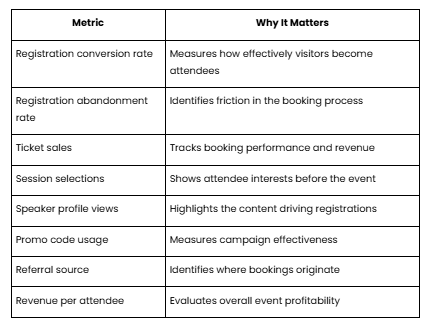
Event Booking Metrics That Matter Most
Best Practices for Tracking Booking Data
Start With Clear Goals: Track data that supports specific business objectives rather than collecting every available metric.
Create a Tracking Plan: Document each metric, its trigger, the person responsible for it, and the KPI it supports. Consistent naming and documentation keep your reporting reliable as your events grow.
Protect Attendee Privacy: Only collect the data you need, be transparent about how it's used, and comply with privacy regulations such as GDPR and CCPA.
Review Your Data Regularly: Evaluate booking performance before, during, and after every event. Regular reviews help you spot trends, identify opportunities, and improve future events.
Common Booking Data Mistakes You Should Avoid
Even the best tracking strategy can fall short if you're measuring the wrong things or failing to act on your insights.
Avoid these common mistakes:
Tracking Too Many Metrics
Focus on the data that supports your goals instead of collecting information you'll never use.
Ignoring Registration Abandonment
Knowing where attendees leave the booking process is often more valuable than knowing how many completed it.
Measuring Traffic Instead of Conversions
Website visits are useful, but registrations are what matter. Prioritize metrics that reflect attendee actions, not just page views.
Collecting Data Without Taking Action
Every insight should lead to an improvement, whether that's simplifying registration, refining your marketing, or enhancing the attendee experience.
Overlooking Attendee Privacy
Respect attendee trust by collecting only necessary information and managing it responsibly.
Frequently Asked Questions
What data should I track to improve event bookings?
Focus on registration metrics, attendee engagement, marketing attribution, website behaviour, and booking conversion data. Together, these metrics help you understand why attendees register, or why they don't.
What booking metrics matter most?
Registration conversion rate, abandonment rate, ticket sales, referral sources, session selections, and revenue per attendee are among the most valuable metrics for measuring booking performance.
Curious how Mingloft can help with ticket sales? Check out this guide.
Why are attendees abandoning my registration form?
Common reasons include long forms, technical issues, confusing checkout processes, unexpected costs, or missing information. Tracking registration abandonment helps identify where attendees leave the process.
How can I improve my event booking conversion rate?
Simplify registration, remove unnecessary friction, optimize your event page, promote your strongest content, and continuously test improvements using booking data.
How do I measure marketing performance for event bookings?
Track referral sources, campaign performance, email clicks, social traffic, and promo code usage to understand which marketing efforts generate completed registrations.
What tools help track event bookings?
Many event management platforms include booking analytics alongside registration management. Organizations also use web analytics, CRM systems, and marketing platforms to monitor attendee behavior and campaign performance.
How often should I review booking data?
Review your booking data before launching campaigns, monitor it throughout the registration period, and analyze results after the event to improve future performance.
Make Every Booking Insight Count
Improving event bookings starts with understanding the attendee journey, not just counting registrations. By tracking the right data from booking behaviour to marketing performance, you can remove friction, increase conversions, and create better event experiences.
Mingloft helps event organizers capture the insights that matter most, making it easier to understand attendee behaviour and turn data into better decisions.
Start using Mingloft to track your event data today.
Now that we’ve handled booking metrics of it all, the next step is making sure attendees show up! This guide on how to reduce no-shows will show you how.
Mingloft Team
Event planning insights and platform updates from the Mingloft team.
Share