Analytics
5 min read
How to Use AI for Event Data Analysis (What It's Good At, and What It Isn't)
AI can read your survey comments, predict who'll actually show up, and answer questions about your event in plain English. It can also quietly hand you a wrong answer. Here's where AI genuinely helps with event data, where it burns you, and how to use it without getting caught out.

The event wrapped three days ago, and the data is still winning. Registration exports in one file, survey comments in another, badge scans somewhere else, and spend against budget in a spreadsheet nobody's opened. Somewhere in there is the answer to whether the event actually worked. You just don't have a spare afternoon to go find it.
AI can do a lot of that reading for you. Not all of it, and not safely if you're careless, but the parts it handles well, it handles in minutes instead of hours. The trick is knowing which jobs to hand it and which ones it'll quietly get wrong.
Here are both halves:
What AI Is Actually Good At
1. Reading your survey comments
Star ratings take two minutes to skim. The open-ended comments are where the real feedback lives, and they're the part most planners never get through.
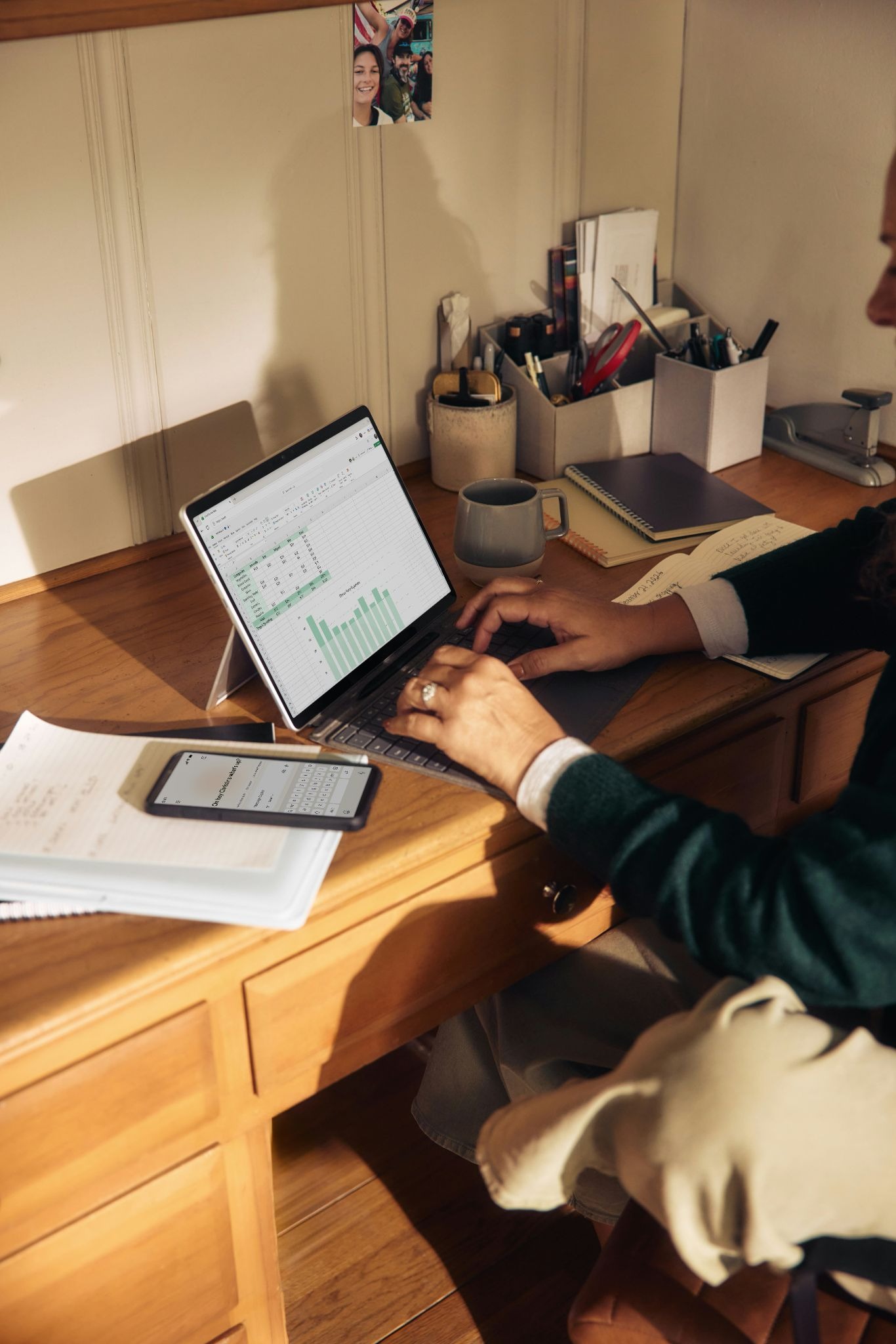
AI reads all of them at once, groups them into themes, scores the overall sentiment, and separates a catering complaint from a venue-layout one so you know what to fix. This is the single highest-value job, and it's simple enough to do today. We wrote a full walkthrough on analysing post-event surveys with AI if you want the exact prompt.
Use AI to reading through your survey comments
2. Predicting who'll actually show up
Registration numbers flatter you. The number that matters is turnout.
Feed AI your past events; how registrations were built over time, who came, who didn't, and it can estimate real attendance rather than the sign-up count. That's the difference between catering for 400 booked and 280 who'll walk through the door, and it's the same data that helps you cut no-shows before the event.
3. Right-sizing catering and resources
Yes, you read that right!
Guessing food and drink is how you either run out at the second break or bin trays of untouched sandwiches. AI can look at what similar events actually consumed and help you scale to real demand instead of a round number someone picked. Less waste means less spend, and very importantly, fewer awkward shortages.
4. Answering questions in plain English
You don't need to write a formula to ask "which sessions did first-time attendees rate lowest?" The newer tools let you type the question and get the answer, sometimes with the chart already drawn.
AI literally allows you to turn your data from something you report on into something you can actually interrogate.
Where AI Gets It Wrong
Stop using AI for these event tasks
This is the part the excited guides skip. AI is fast and confident, which is a dangerous combination when it's wrong:
1. It invents patterns
AI is built to find patterns, so it will find one even when there isn't one, especially with numbers. It'll miscount, overstate a percentage, or file a sarcastic comment under "positive."
Never put an AI figure in front of a stakeholder without a two-minute check: pull five results it classified each way and read them yourself. If the labels hold, trust the totals. If they don't, you caught it early.
2. It leaks data if you let it
Pasting a raw attendee roster: names, emails, company details, into a public AI tool can put you on the wrong side of GDPR and CCPA. Strip the personal columns before anything leaves your system.
You don't need names to find patterns, and you do need to keep attendees' trust. So track what you need, mask the rest.
3. It only hears the loudest attendees (unfortunately)
Here's the trap almost nobody mentions: the people who fill out surveys are usually the thrilled and the furious. The quiet majority who had a fine time say nothing. Lean only on survey text, and you'll over-index on the extremes.
To balance the findings, mix the survey text with behaviour that doesn't require anyone to volunteer; session dwell time, booth scans, repeat sign-ups, to hear the people who didn't write in.
AI Is Only as Good as the Data You Feed It
Every capability above assumes one thing: that your data is clean and in one place. It rarely is.
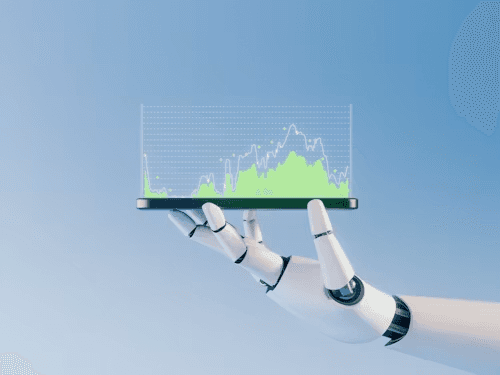
When registrations live in one tool, tickets in another, tasks in a chat thread, and feedback in a survey app, the first job isn't analysis, it's a week of exporting, deduplicating, and reconciling four systems that name the same attendee three different ways. AI can't rescue that; it just analyses the mess faster.
That's the real argument for keeping your event data in one connected system rather than a stack of six. Not because it's tidier, but because clean, connected data is the only kind AI can actually give you a straight answer from.
Frequently Asked Questions
Can AI accurately analyze event feedback?
Yes, for grouping themes and scoring sentiment across hundreds of comments, it's reliable and fast. It's less reliable with exact numbers and sarcasm, so spot-check a sample of its classifications before trusting the totals.
What's the best AI tool for event data analysis?
There's no single best tool. A general assistant like ChatGPT or Claude handles survey text and quick questions well. For recurring analysis, an event platform that captures and reads the data in one place saves the export-and-clean step entirely. Match the tool to how often you're doing it.
Is it safe to put attendee data into AI tools?
Only after removing personal information. Strip names, emails, and any other identifying details first, ensure compliance with GDPR and CCPA, and check the tool's data-retention settings before uploading anything.
Can AI predict event attendance?
It can estimate turnout using your historical registration and attendance patterns, which is far more useful than the raw sign-up count. The more past events you can give it, the better the estimate.
Do I need a data analyst to use AI for events?
No. The point of the newer tools is that you can ask questions in plain English and get usable answers. A specialist helps at scale, but a solo organiser can get real value from a clean spreadsheet and a good prompt.
Let AI Do the Reading
AI won't replace the judgment that makes an event good. What it does is take the heavy, dull part, like reading everything your attendees told you and did off your plate, so you spend your time deciding what to change instead of hunting for it.
So feed AI clean data, check its work, protect your attendees, and it earns its place fast.
Ready to plan smarter, not harder? Try Mingloft free today.